

Sale!

Organic Food Products
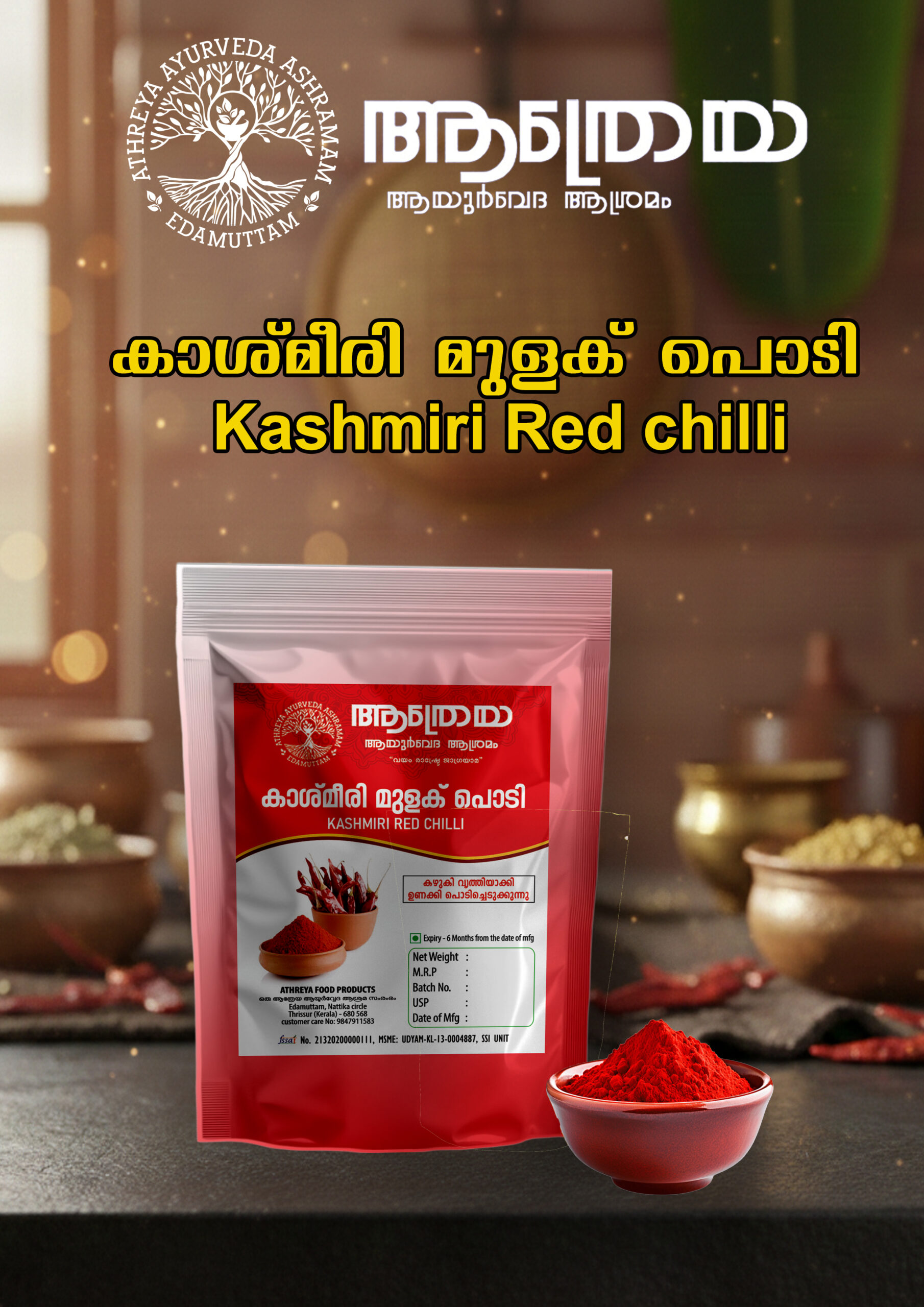
Kashmiri Chilli Powder
Original price was: ₹70.00.₹60.00Current price is: ₹60.00.
Kashmiri chilli powder is a mild, highly aromatic spice prized for imparting a vibrant red color to dishes without extreme heat. Used heavily in Indian cuisine for curries, tandoori, and marinades, it provides rich flavor, is packed with antioxidants, vitamin C, and minerals (iron, potassium), aiding in digestion and immunity
Usage in Cooking
- Color Enhancer: Its primary use is adding a deep, natural crimson hue to curries, gravies, and stews without excessive spiciness.
- Marinades: Commonly used in tandoori chicken, tikka, and other marinades for meat and vegetables, giving them a bright visual appeal.
- Tadka/Tempering: Added to oil or ghee for tempering dals and dals to enhance flavor and color.
- Chutneys and Pickles: Adds flavor and color to pickles and condiments.
- Mild Heat: Ideal for people who prefer lower heat levels (lower on the Scoville scale) but desire intense flavor and color.
Health Benefits
- Rich in Antioxidants: Contains compounds that fight free radicals, promoting overall health and anti-aging.
- Boosts Immunity: High in Vitamin C, which is essential for strengthening the immune system.
- Aids Digestion: Acts as a natural detoxifier, clearing out waste and managing gas issues.
- Supports Heart Health & Metabolism: Contains iron for red blood cell production, potassium for heart health, and capsaicin, which aids in digestion and metabolism.
- Respiratory Ease: Its moderate heat can help clear congestion and aid in managing cold symptoms.
- Nutrient-Dense: Contains vitamin A and flavonoids, which are beneficial for skin and hair health.
Kashmiri Chilli vs. Regular Chilli
- Heat: Low to mild heat (1,000–2,000 SHU) compared to high-heat regular chili powder.
- Color: Vibrant, deep red compared to moderate red/orange.
- Flavor: Subtle and slightly sweet vs. pungent and sharp.
| Weight | 100 g |
|---|
Related products
-
Sale!
 Organic Food Products
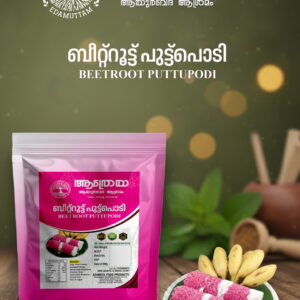
Beetroot Powder
Original price was: ₹160.00.₹145.00Current price is: ₹145.00. Add to cart -
-
Sale!
 Organic Food Products
Garam Masala
Original price was: ₹80.00.₹65.00Current price is: ₹65.00. Add to cart -
Sale!
 Organic Food Products
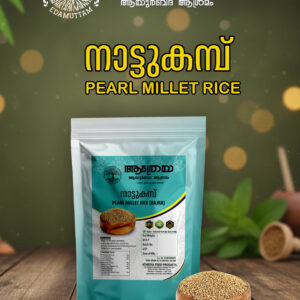
Nattukamb
Original price was: ₹190.00.₹189.00Current price is: ₹189.00. Add to cart
Reviews
There are no reviews yet.