

Sale!

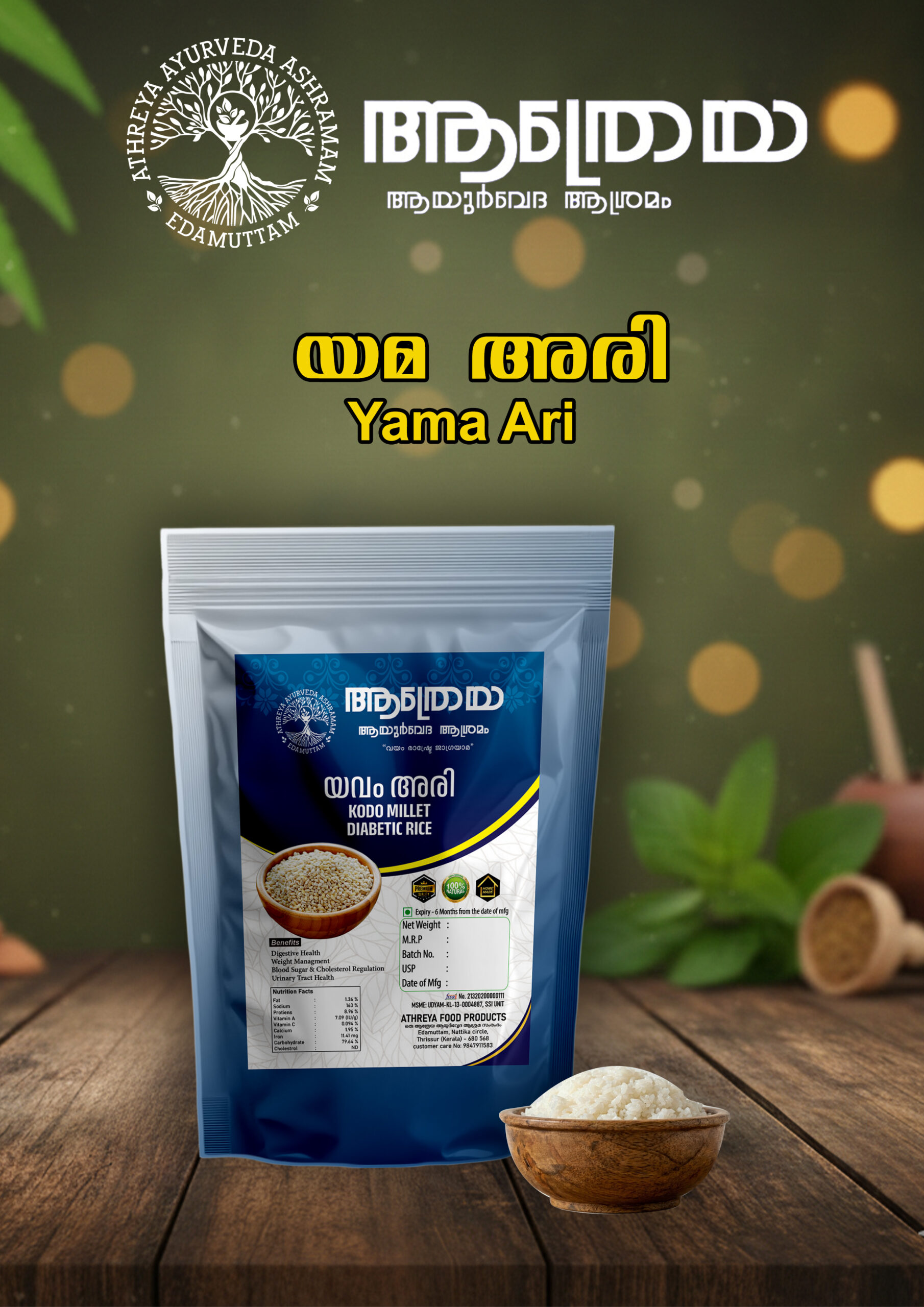
Ayurvedics, Organic Food Products
Yavam Rice
Original price was: ₹170.00.₹160.00Current price is: ₹160.00.
Yavam rice, better known as barley (or Jau in Hindi, Yava in Sanskrit), is an ancient, highly nutritious whole grain often recommended in Ayurveda for its “scraping” action (Lekhana karma) on the body, helping to manage fat, blood sugar, and cholesterol. It is a versatile grain used in cooking and medicinal applications, particularly popular for its high fiber content.
Health Benefits of Yavam Rice
- Diabetes Management: Yavam is considered an excellent grain for diabetics due to its low glycemic index and ability to improve insulin function. It is rich in soluble fiber (beta-glucan), which slows down the absorption of sugar into the bloodstream, preventing spikes.
- Weight Loss and Metabolism: It helps manage obesity by increasing satiety (fullness), which reduces hunger pangs and calorie intake. Its high insoluble fiber content speeds up digestion, preventing constipation.
- Heart Health and Cholesterol: The beta-glucan soluble fiber helps bind to bile acids, reducing the production of “bad” LDL cholesterol. Regular consumption helps normalize cholesterol levels.
- Digestive Health and Detoxification: Yavam has Rechana (laxative) properties, aiding in relieving constipation. It acts as a detoxifying agent, supporting gut health and removing Ama (toxins).
- Kidney and Urinary Health: Due to its diuretic nature, it increases urine production, helping to flush out toxins, reduce the risk of kidney stones, and treat Urinary Tract Infections (UTIs).
- Skin Health: The high selenium content and antioxidant properties help maintain skin elasticity and prevent free radical damage. A paste of barley flour with lemon/buttermilk can be applied to alleviate skin irritation.
- Rich in Nutrients: It is a good source of fiber, manganese, selenium, copper, and vitamin B1.
Usage and Culinary Applications
- Barley Rice (Yavam Sadam): It can be cooked and eaten just like white rice, offering a chewy, nutty alternative that is more nutritious.
- Barley Water (Yav Kanjivellam): Boiled barley water is a popular, refreshing drink used for hydration, detoxing, and curing urinary infections.
- Barley Porridge (Karkidaka Kanji): In Kerala, it is commonly used in medicinal soups/porridge for health maintenance, particularly during the Karkidakam season.
- Barley Flour/Sattu: Dry roasted barley is ground into flour (sattu), which can be used to make nutritious rotis, parathas, or mixed with wheat flour.
- Soups and Stews: It acts as a great thickener in soups, providing a hearty texture.
Important Tips and Precautions
- Soaking: It is recommended to soak barley for 6-8 hours for maximum benefits and better digestibility.
- Whole vs. Pearled: Use hulled barley (whole grain) for maximum fiber and nutritional benefits. Pearled barley is refined and has less fiber.
- Gluten: Barley contains gluten, making it unsuitable for those with celiac disease or severe gluten intolerance.
- Consultation: Pregnant and breastfeeding women should consult a physician before incorporating it into their diet.
- Introduce Slowly: Due to high fiber, it is advised to introduce it gradually to avoid temporary digestive discomfort like bloating.
| Weight | 1000 g |
|---|
Related products
-
Sale!
 Organic Food Products
Daha Shamini ദാഹശമിനി
Original price was: ₹80.00.₹65.00Current price is: ₹65.00. Add to cart -
Sale!
 Organic Food Products
Cholam Puttu Powder
Original price was: ₹80.00.₹75.00Current price is: ₹75.00. Add to cart -
Sale!
 Organic Food Products
Sprouted Ragi Powder
Original price was: ₹200.00.₹189.00Current price is: ₹189.00. Add to cart -
Reviews
There are no reviews yet.